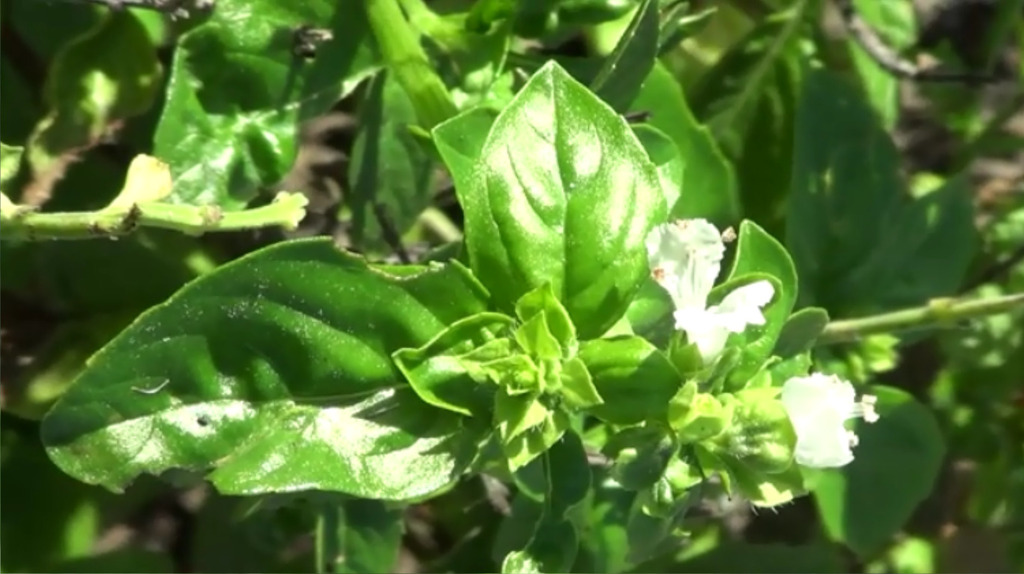
Leaf-litter Habitat Border
Leaf-litter Habitat Border is presented as a low-input garden action that keeps useful resources on site, with decisions shaped for a drought-prone urban yard.
Low inputRead more →
Save a little water, feed the soil, leave room for wildlife. Find practical habits that make your growing space more resilient.
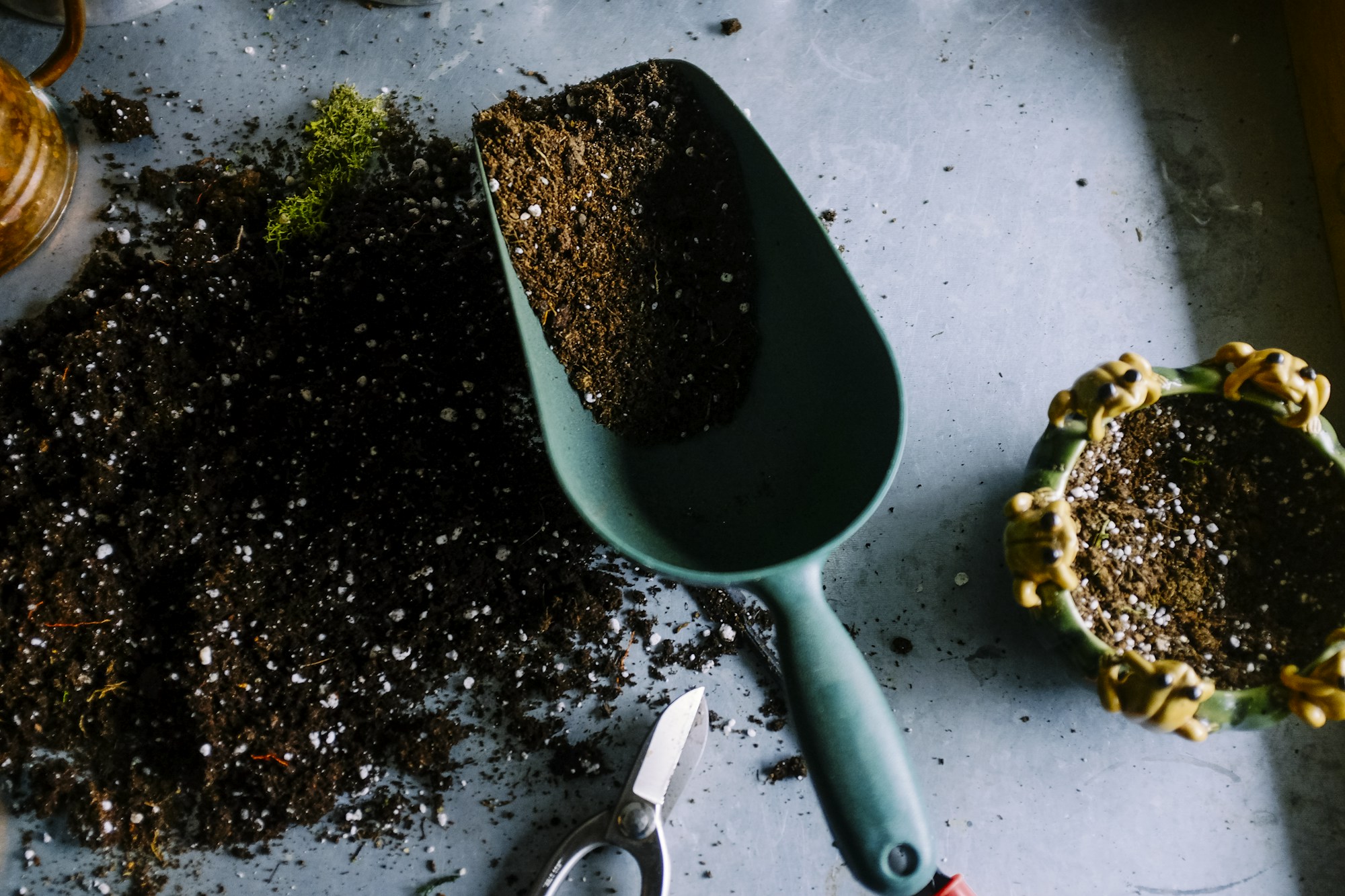
Leaf-litter Habitat Border is presented as a low-input garden action that keeps useful resources on site, with decisions shaped for a drought-prone urban yard.
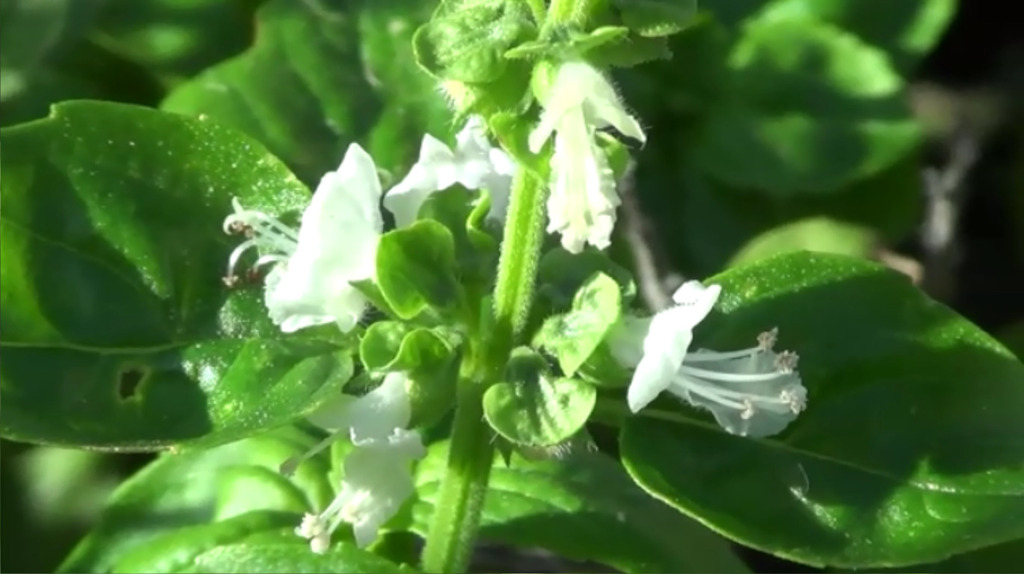
Rain-fed Herb Spiral is presented as a habitat-minded planting choice with an achievable maintenance routine, with decisions shaped for a backyard using collected rain.
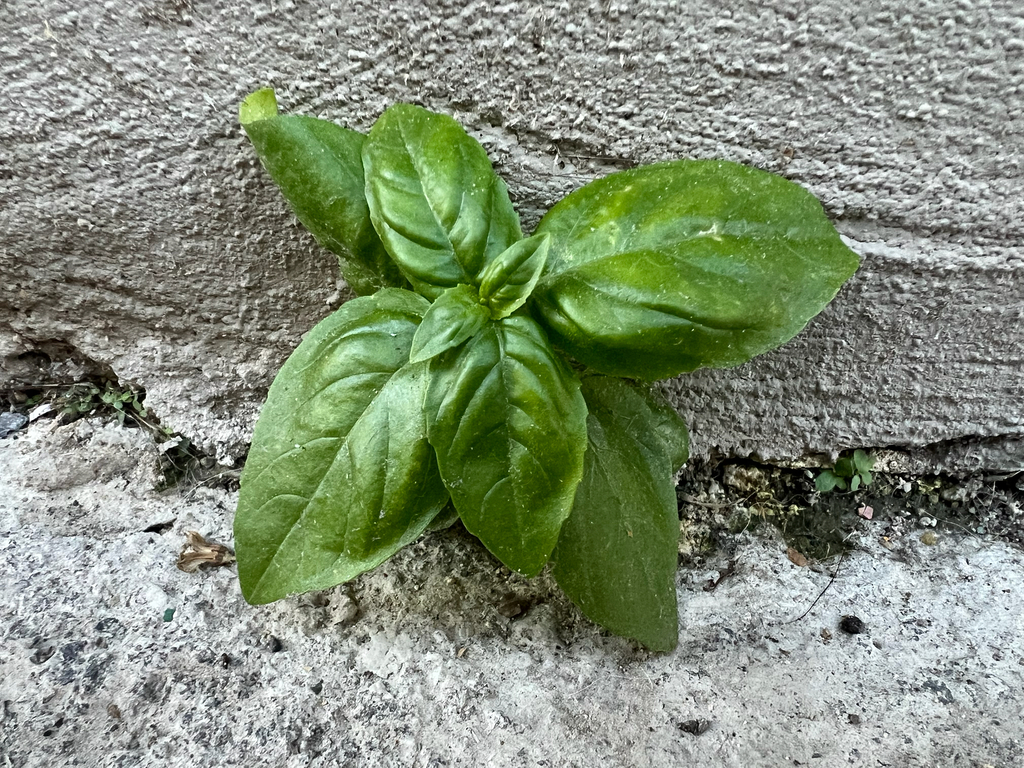
Peat-free Seedling Station is presented as a water-wise idea designed for ordinary backyard conditions, with decisions shaped for a wildlife-friendly suburban plot.
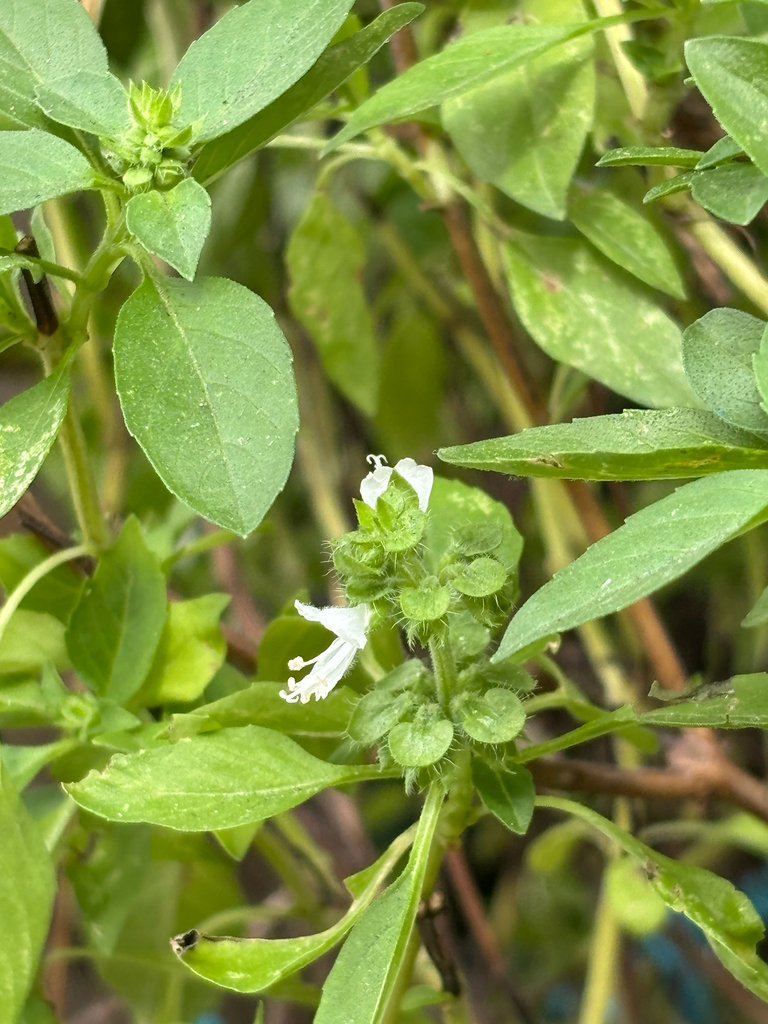
Pollinator Water Pebble Dish is presented as a material-saving approach that replaces disposal with a new garden use, with decisions shaped for a low-maintenance community space.
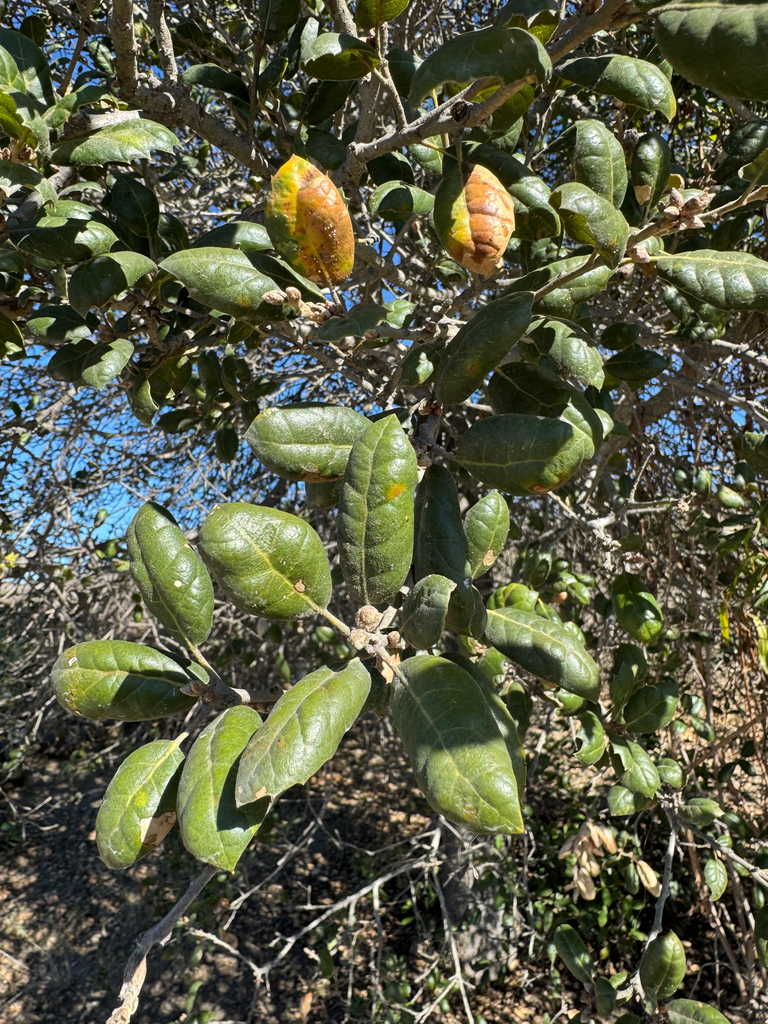
Native Hedge Food Corridor is presented as a resilient planting concept that supports soil cover and seasonal diversity, with decisions shaped for a small garden with leaf fall.
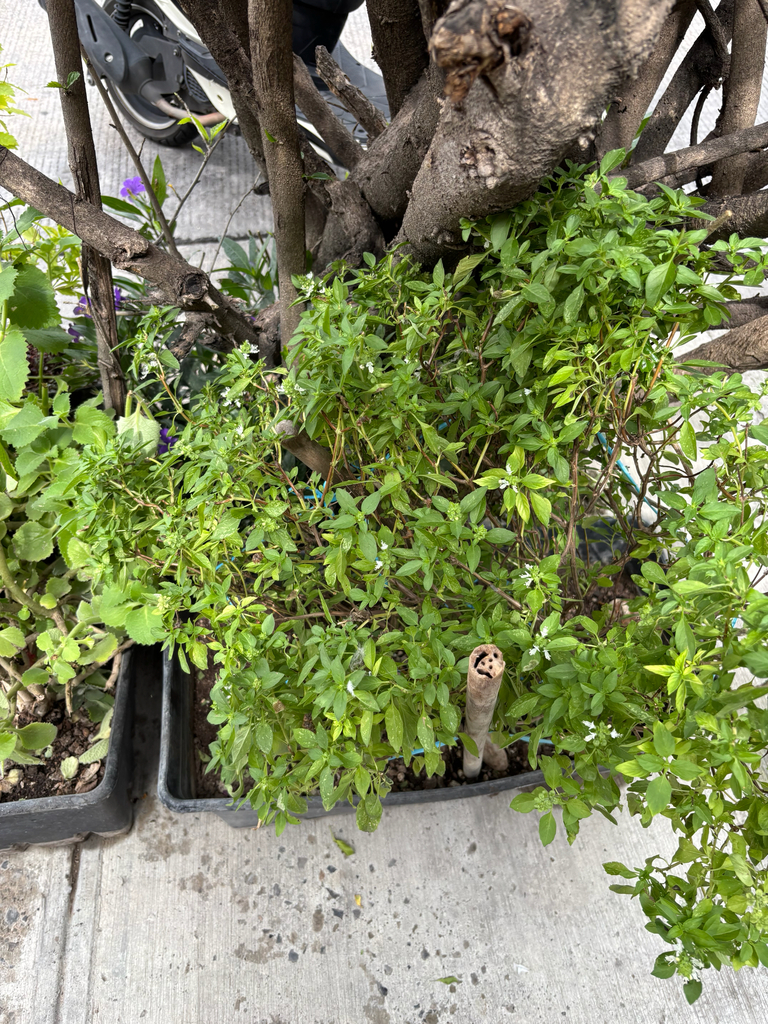
Cardboard and Compost Bed Start is presented as a low-input garden action that keeps useful resources on site, with decisions shaped for a drought-prone urban yard.
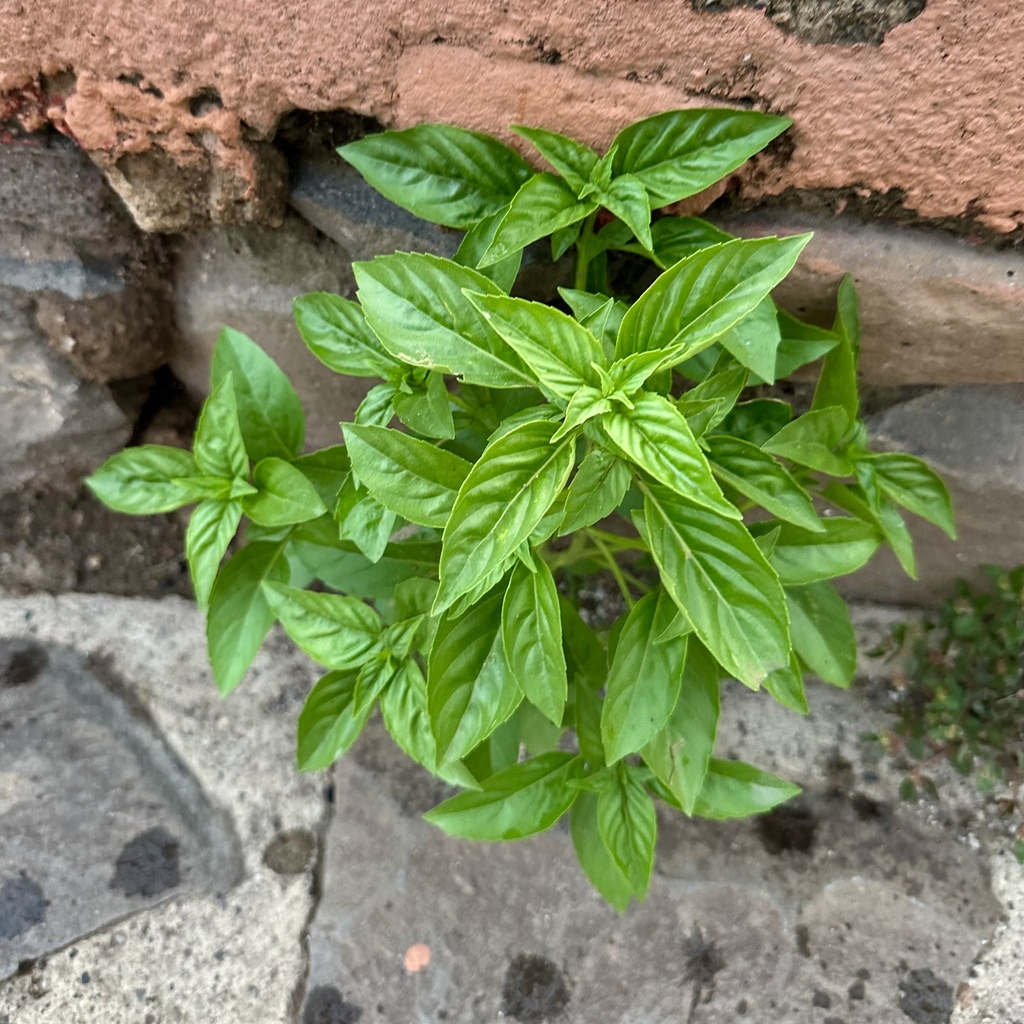
Drought-tolerant Front Strip is presented as a habitat-minded planting choice with an achievable maintenance routine, with decisions shaped for a backyard using collected rain.
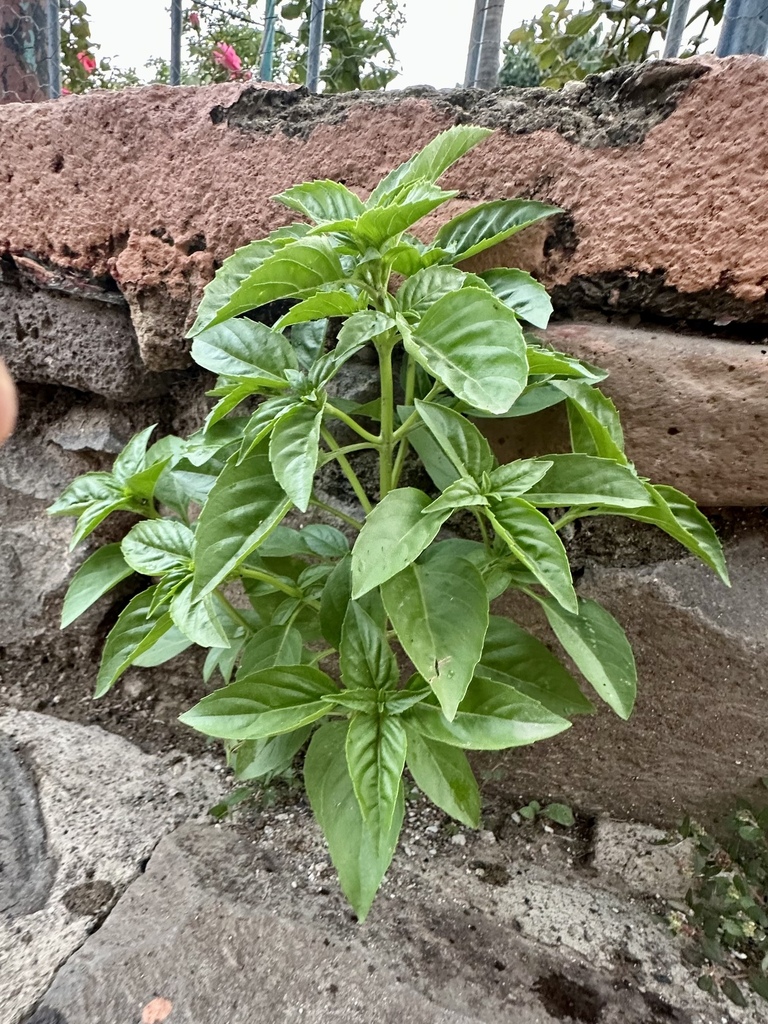
Backyard Brush Habitat Pocket is presented as a water-wise idea designed for ordinary backyard conditions, with decisions shaped for a wildlife-friendly suburban plot.
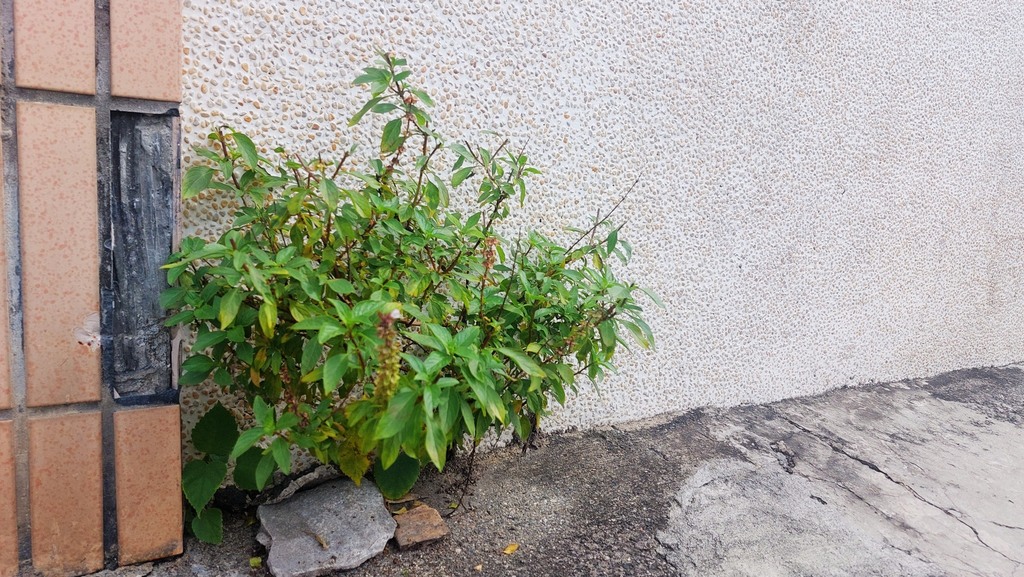
Kitchen Scrap Trench Row is presented as a material-saving approach that replaces disposal with a new garden use, with decisions shaped for a low-maintenance community space.
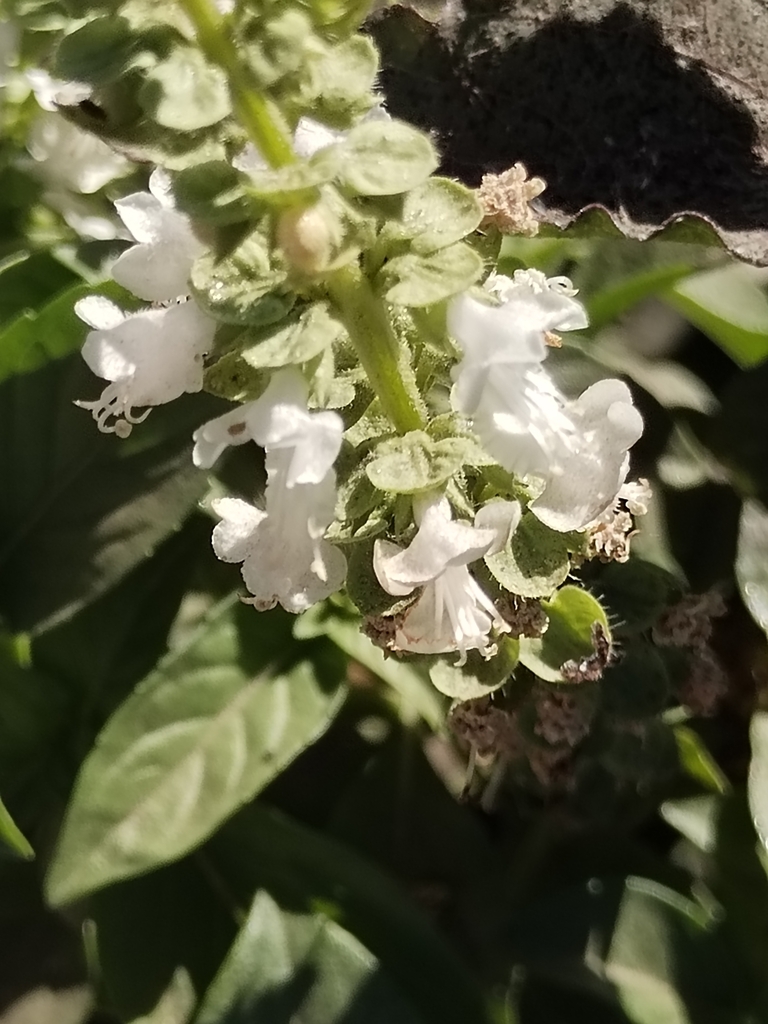
Reusable Plant Label Kit is presented as a resilient planting concept that supports soil cover and seasonal diversity, with decisions shaped for a small garden with leaf fall.
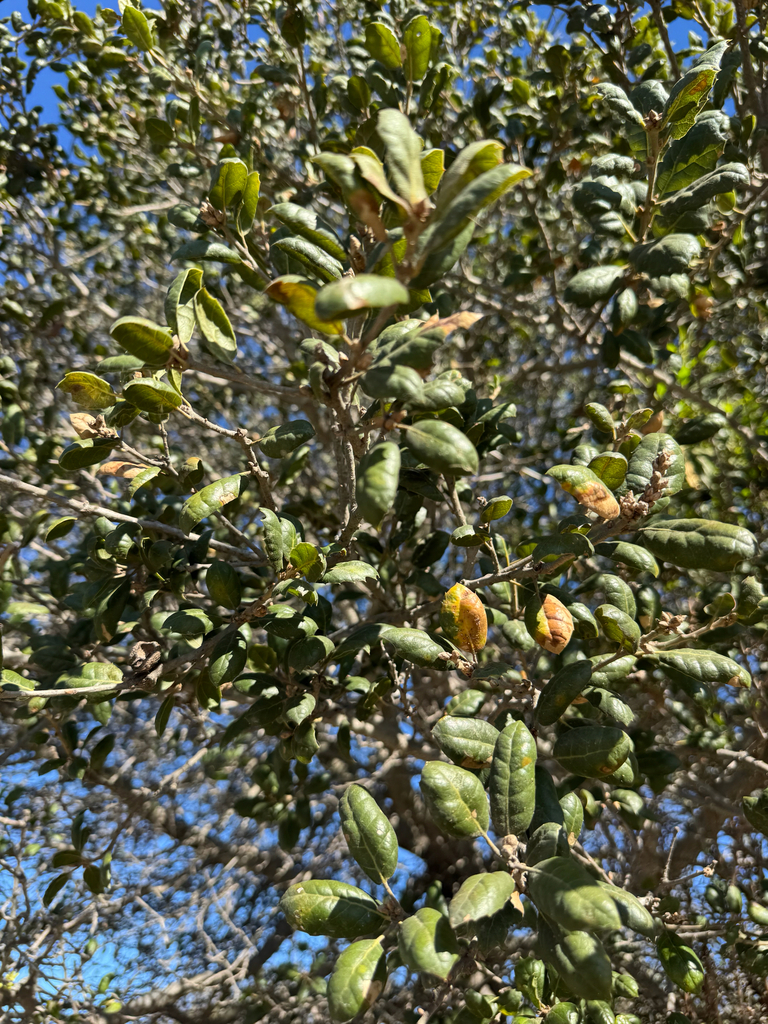
Shade Tree Guild Circle is presented as a low-input garden action that keeps useful resources on site, with decisions shaped for a drought-prone urban yard.
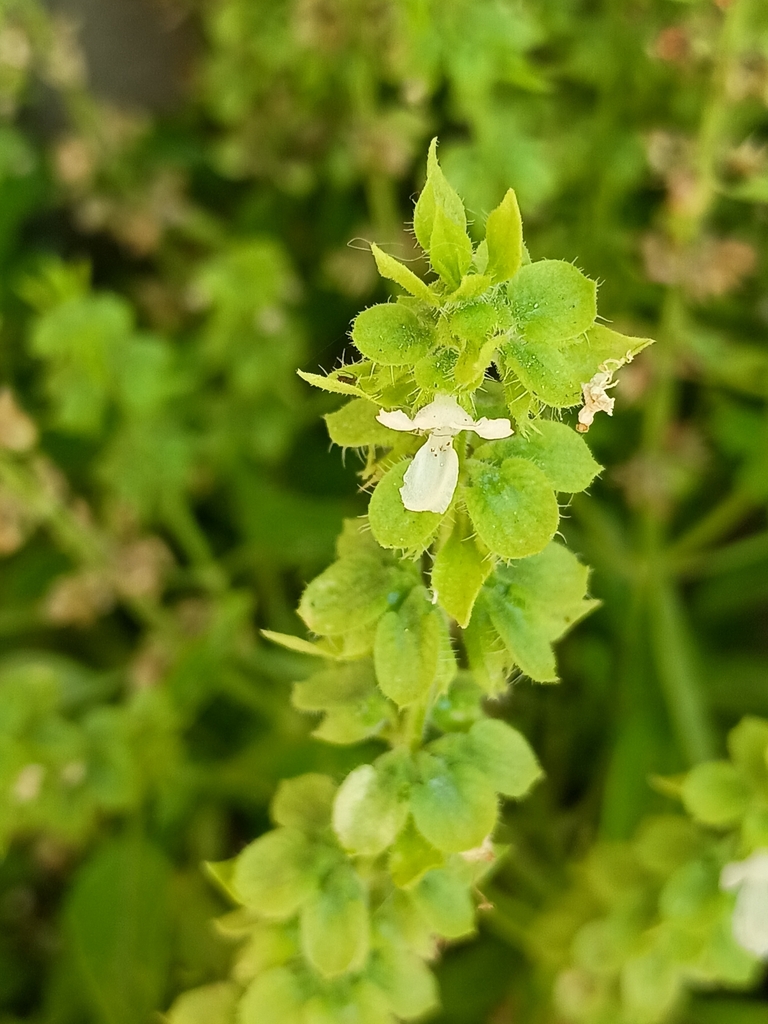
Roof Runoff Fern Basin is presented as a habitat-minded planting choice with an achievable maintenance routine, with decisions shaped for a backyard using collected rain.
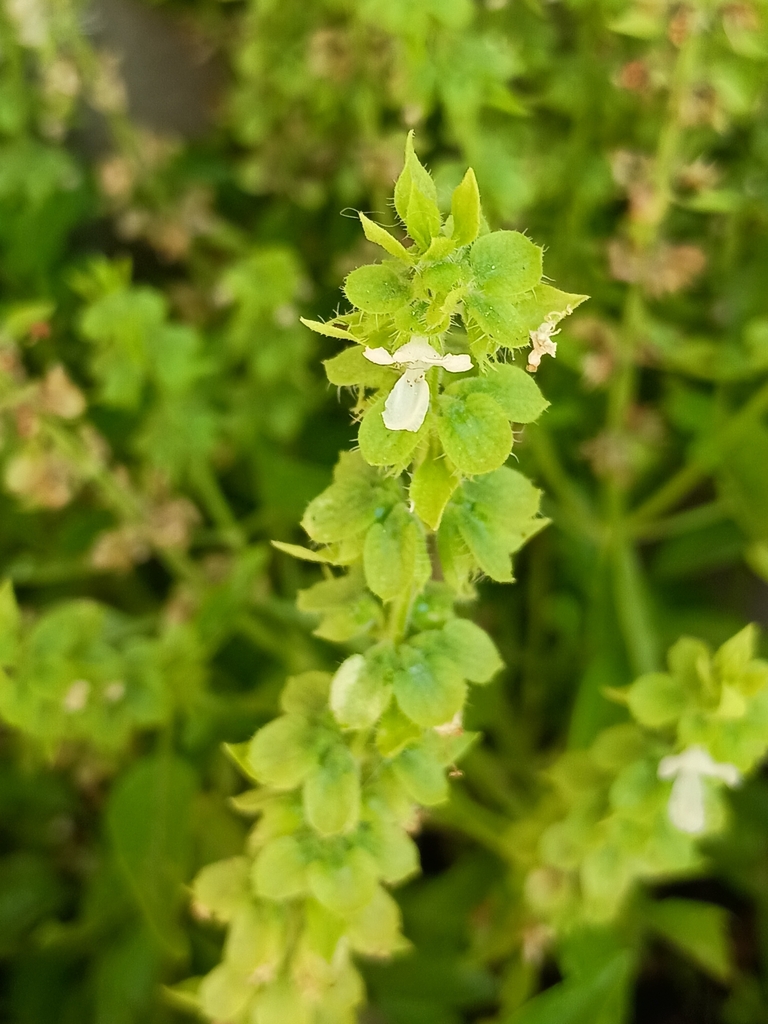
Seed-saving Flower Patch is presented as a water-wise idea designed for ordinary backyard conditions, with decisions shaped for a wildlife-friendly suburban plot.
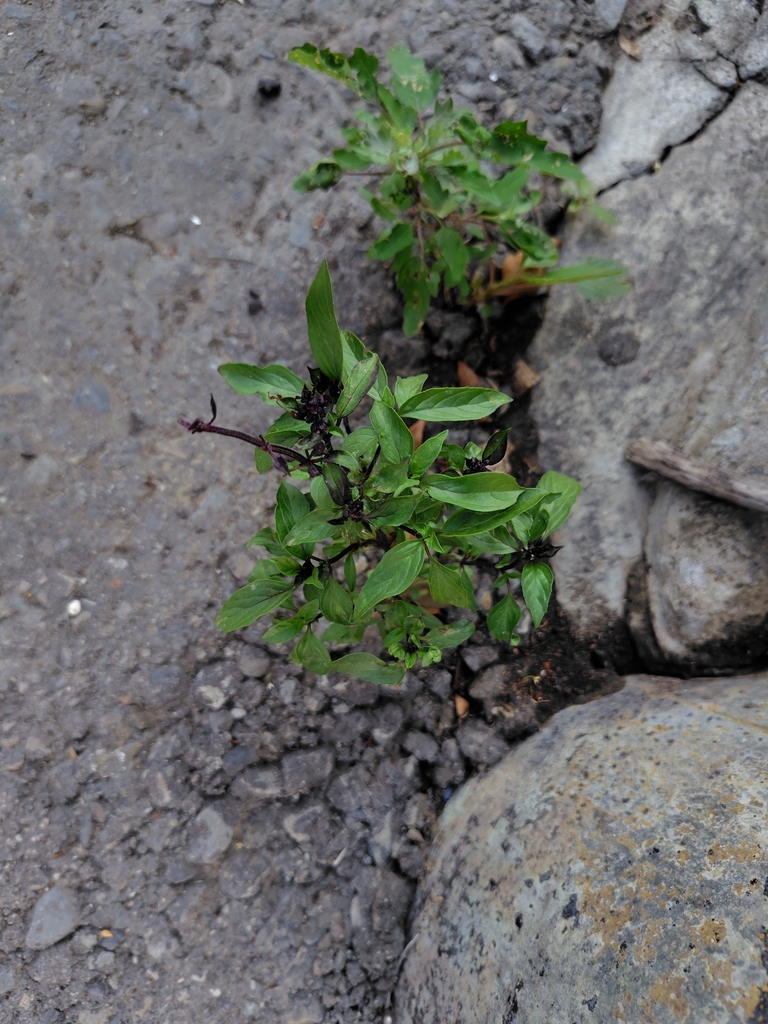
Perennial Edible Edge is presented as a material-saving approach that replaces disposal with a new garden use, with decisions shaped for a low-maintenance community space.
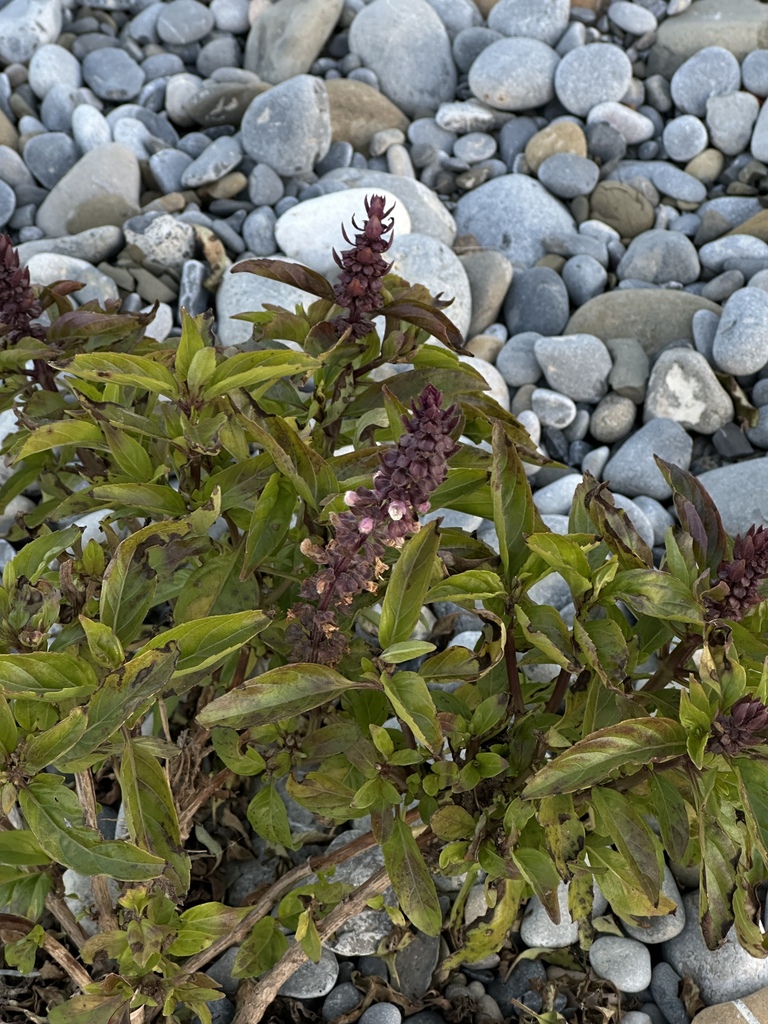
Bare-soil Cover Mix is presented as a resilient planting concept that supports soil cover and seasonal diversity, with decisions shaped for a small garden with leaf fall.
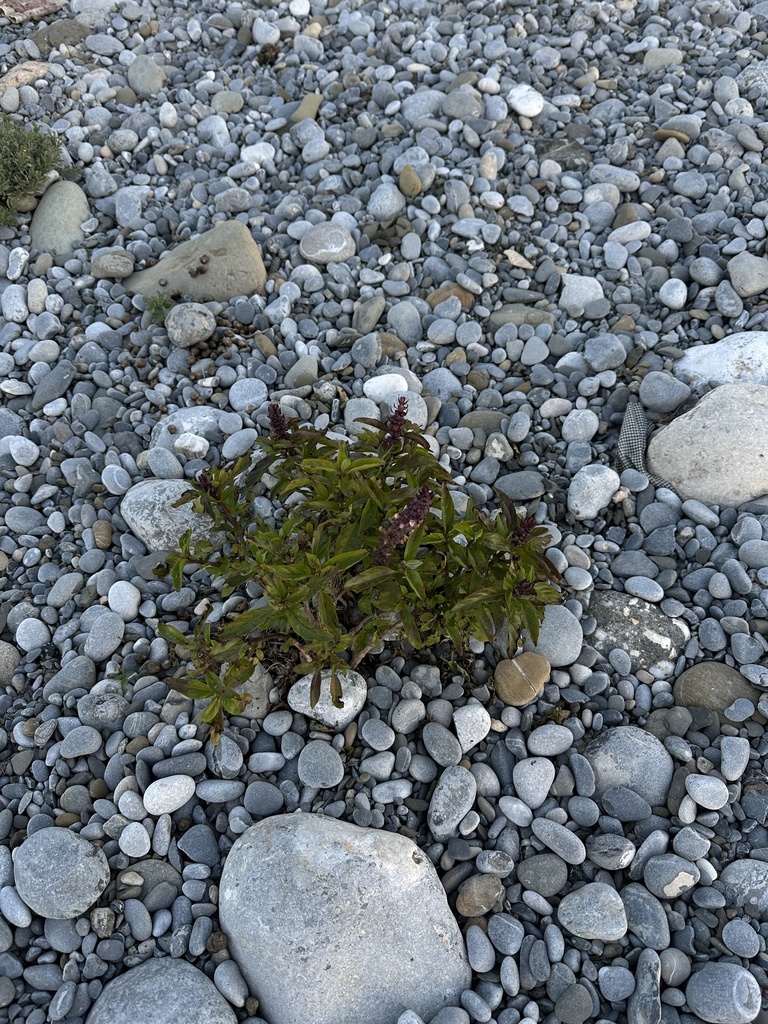
Wild Bee Stem Bundle is presented as a low-input garden action that keeps useful resources on site, with decisions shaped for a drought-prone urban yard.
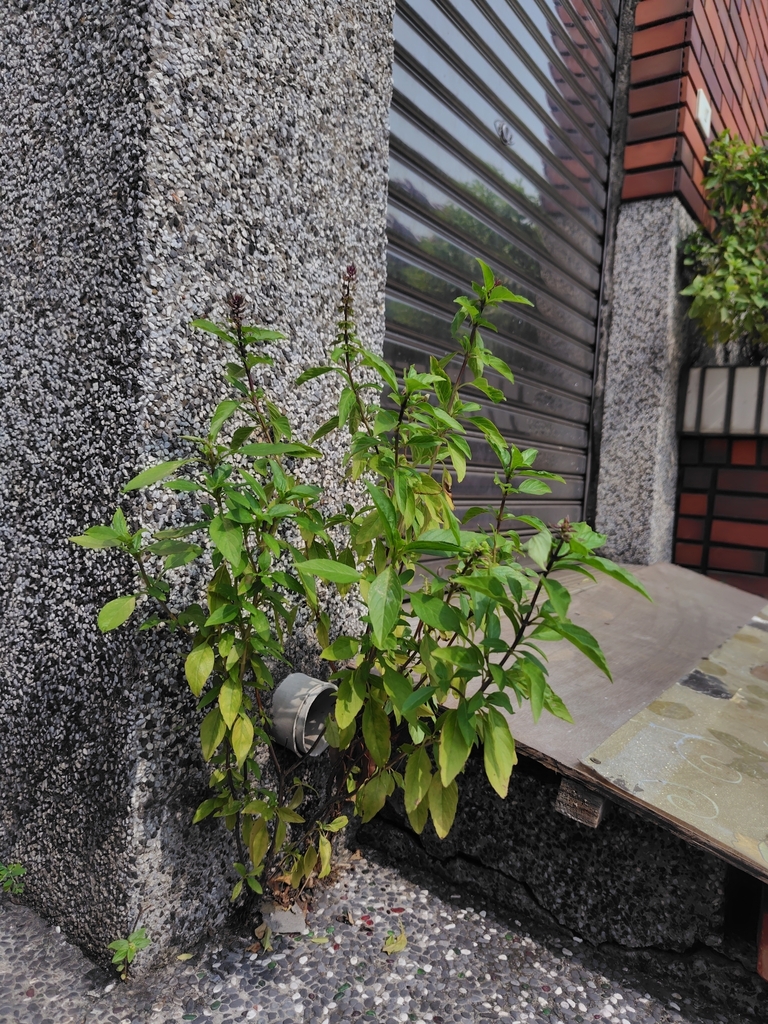
Grey-water-safe Ornamentals Zone is presented as a habitat-minded planting choice with an achievable maintenance routine, with decisions shaped for a backyard using collected rain.
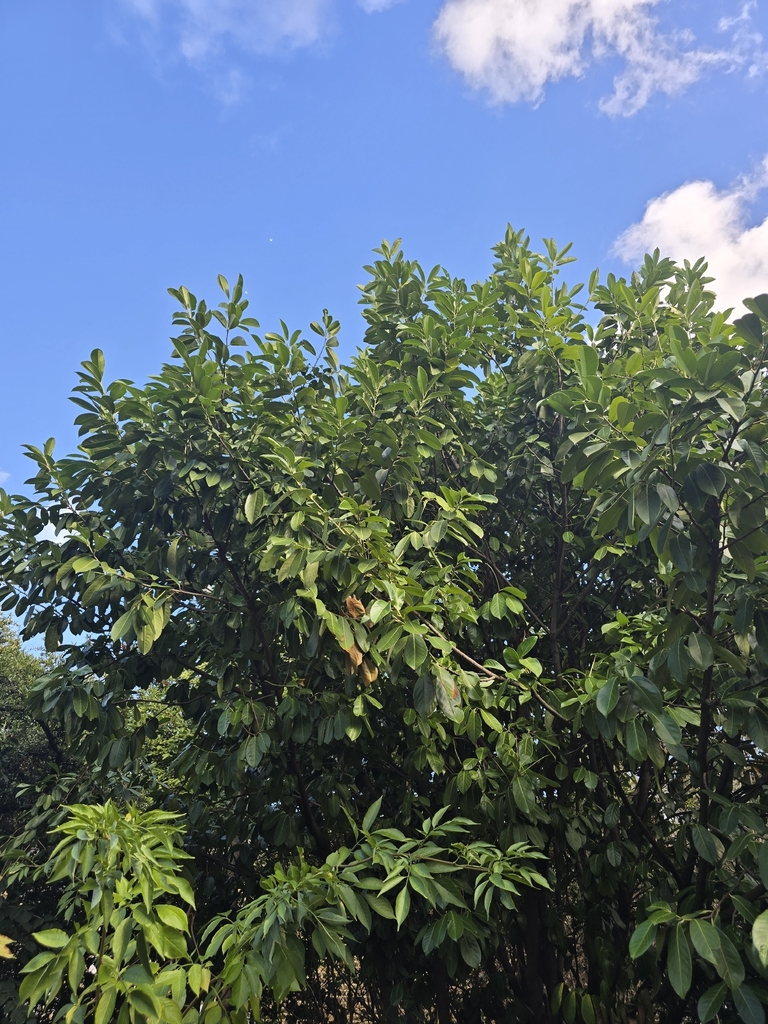
Autumn Leaf Mold Bay is presented as a water-wise idea designed for ordinary backyard conditions, with decisions shaped for a wildlife-friendly suburban plot.
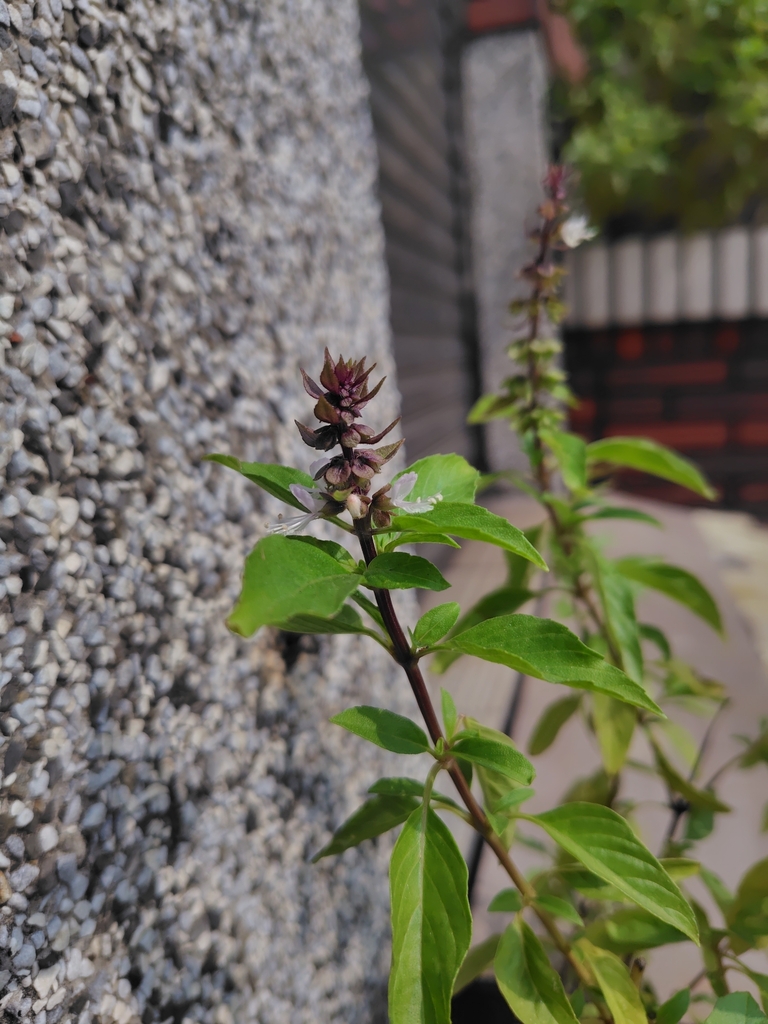
No-plastic Mulch Trial Area is presented as a material-saving approach that replaces disposal with a new garden use, with decisions shaped for a low-maintenance community space.
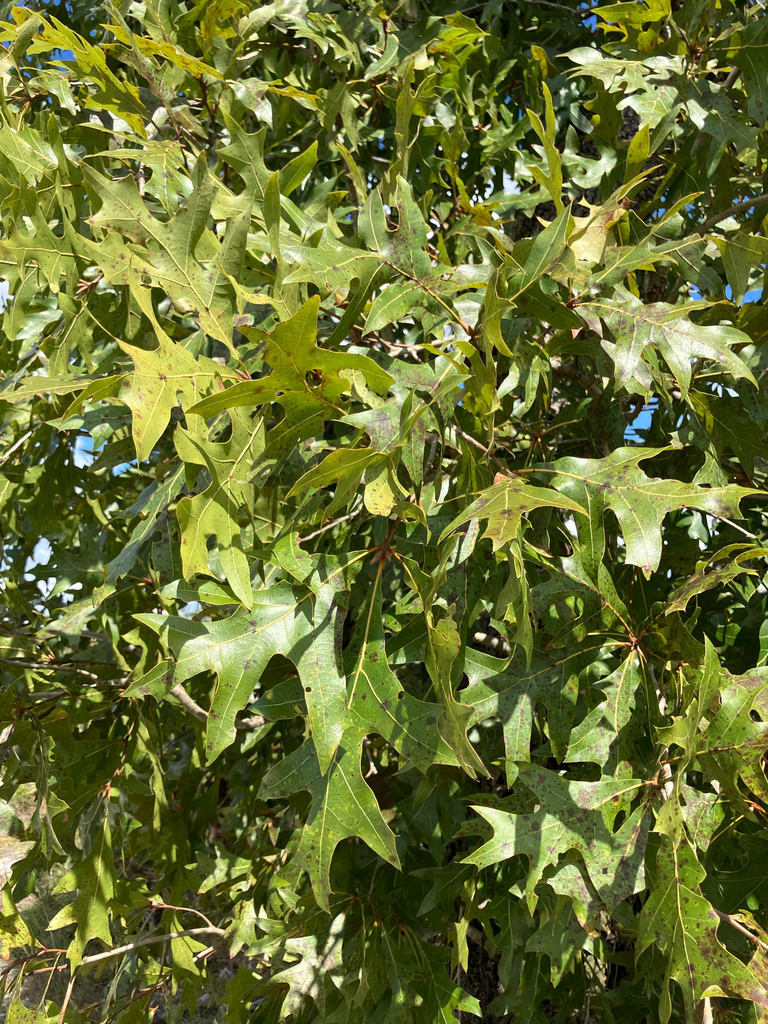
Bird-friendly Berry Thicket is presented as a resilient planting concept that supports soil cover and seasonal diversity, with decisions shaped for a small garden with leaf fall.
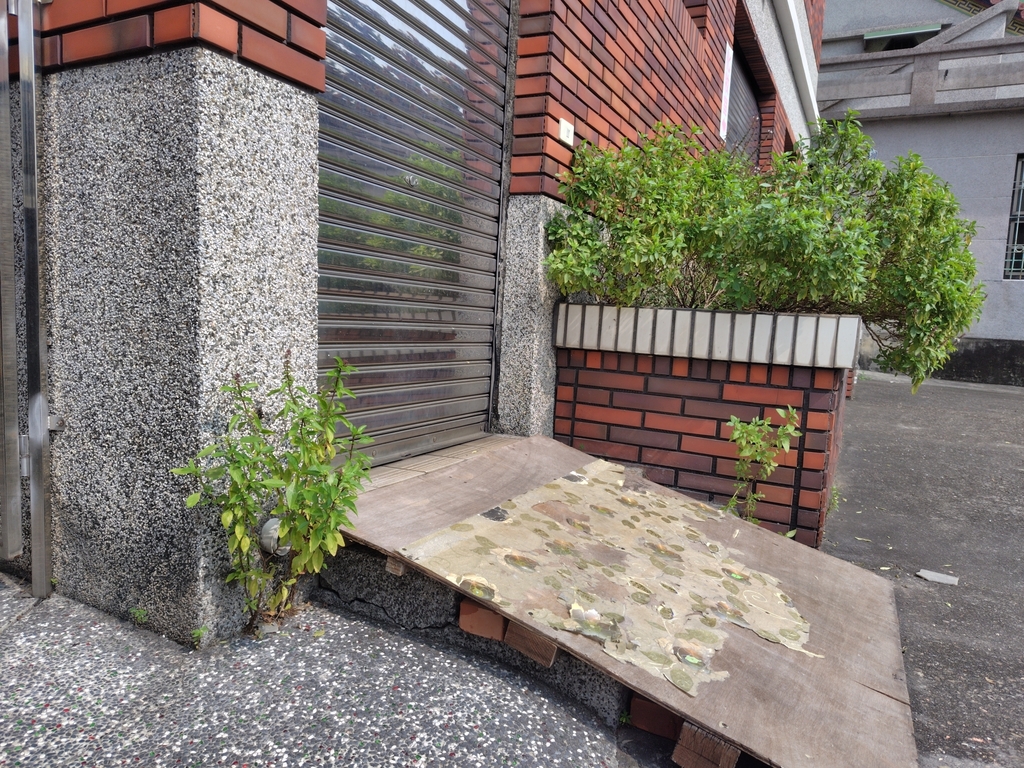
Compost Sifter Material Loop is presented as a low-input garden action that keeps useful resources on site, with decisions shaped for a drought-prone urban yard.
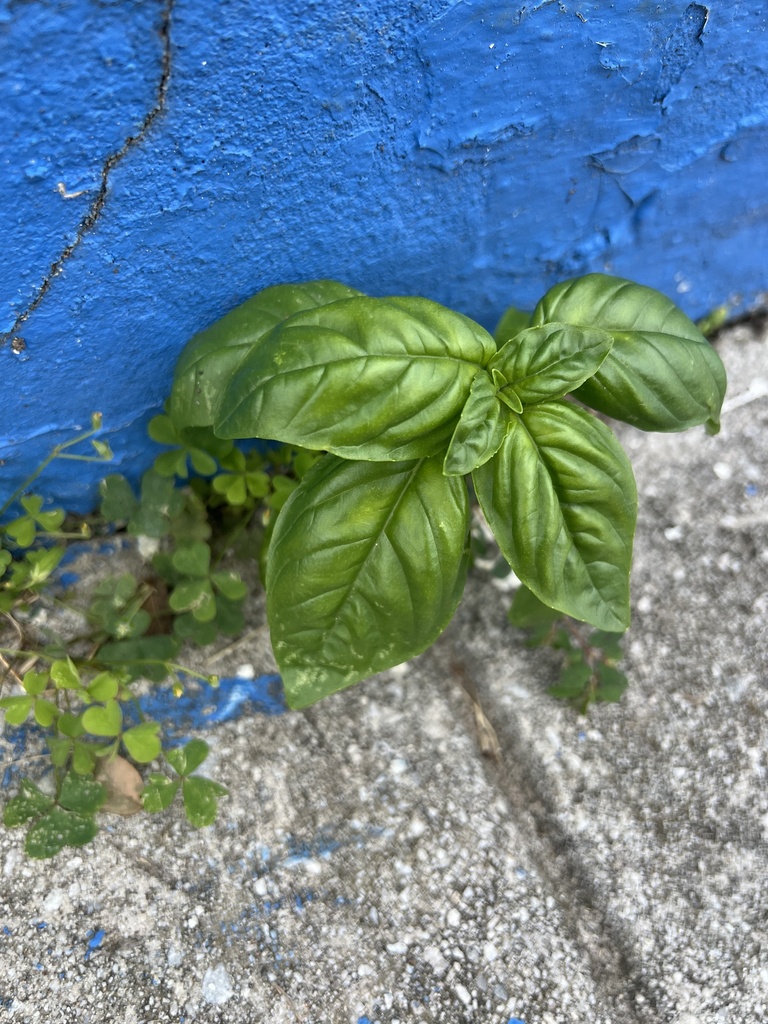
Deep-rooted Rain Garden Mix is presented as a habitat-minded planting choice with an achievable maintenance routine, with decisions shaped for a backyard using collected rain.
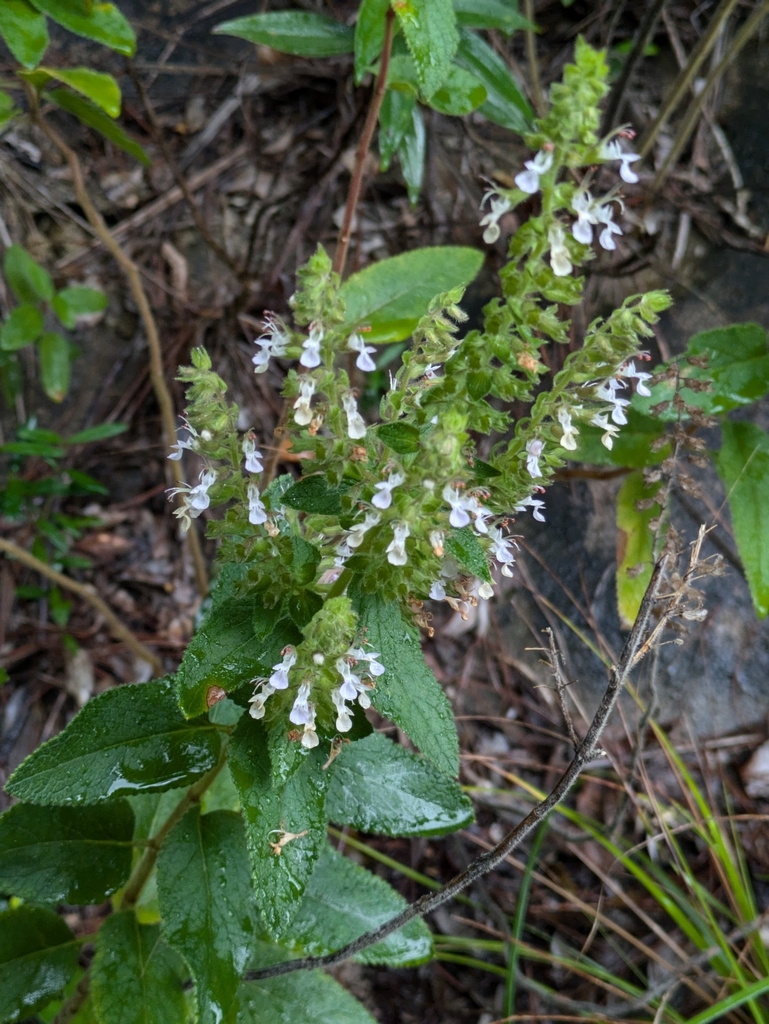
Living Path Groundcover is presented as a water-wise idea designed for ordinary backyard conditions, with decisions shaped for a wildlife-friendly suburban plot.
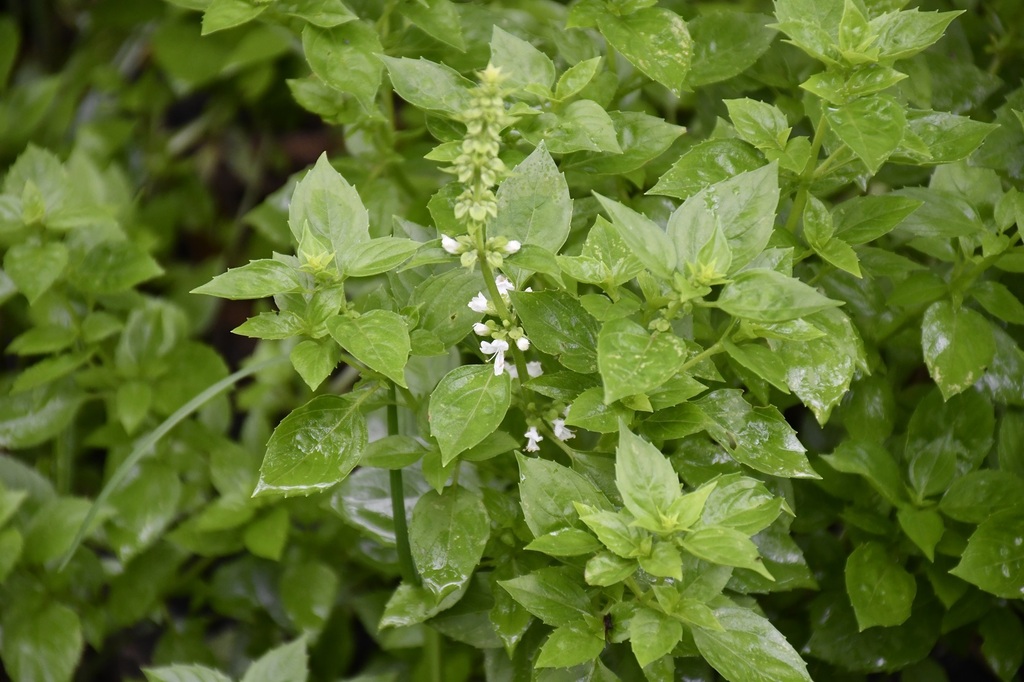
Heat-resilient Container Group is presented as a material-saving approach that replaces disposal with a new garden use, with decisions shaped for a low-maintenance community space.
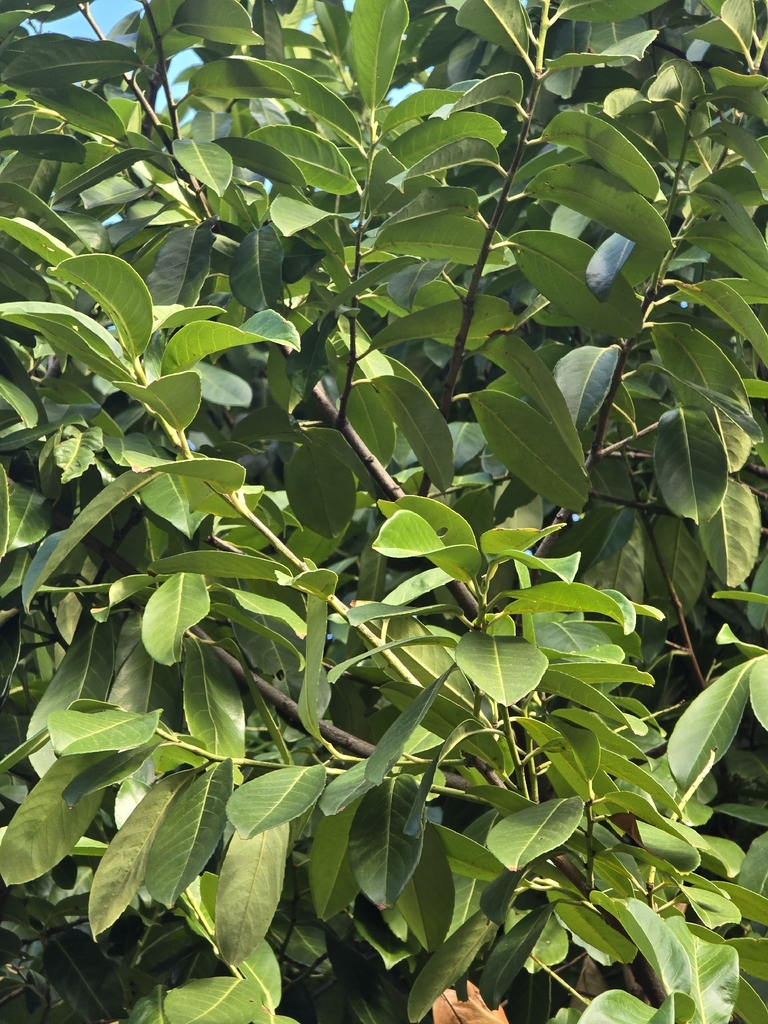
Keep organic material cycling locally through a clear sequence that fits a standard backyard routine.
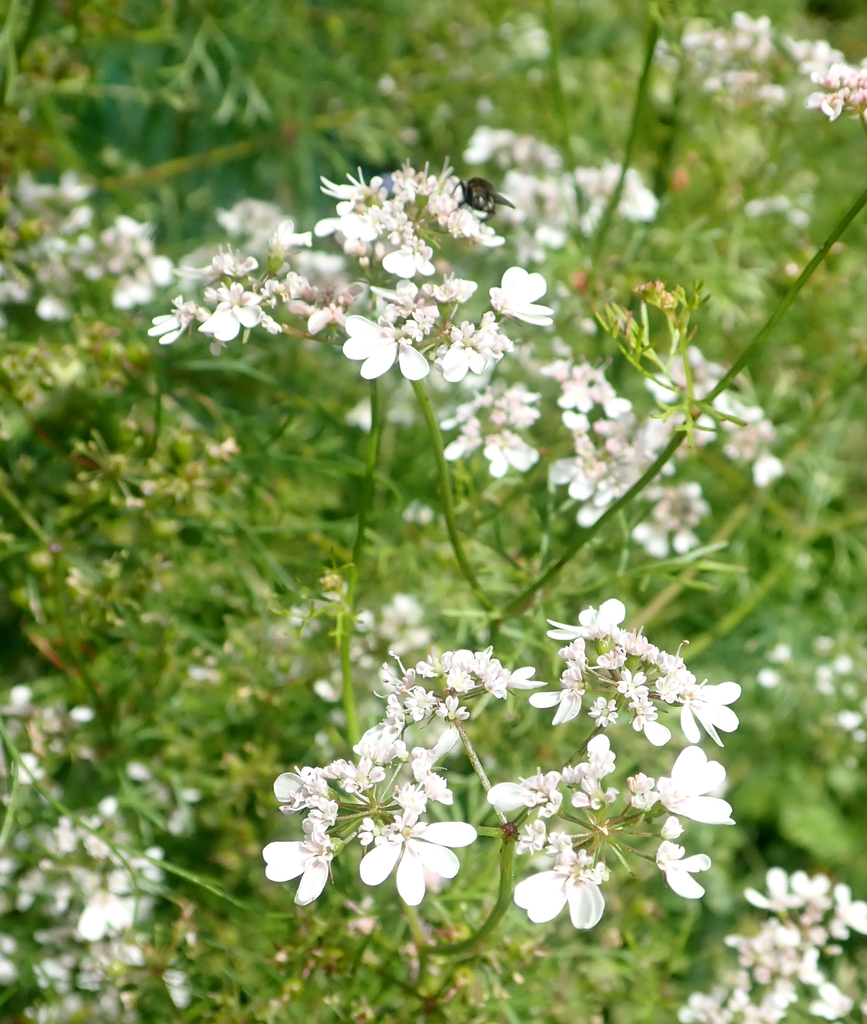
Reduce avoidable irrigation demand through a clear sequence that fits a one-bin compost system.
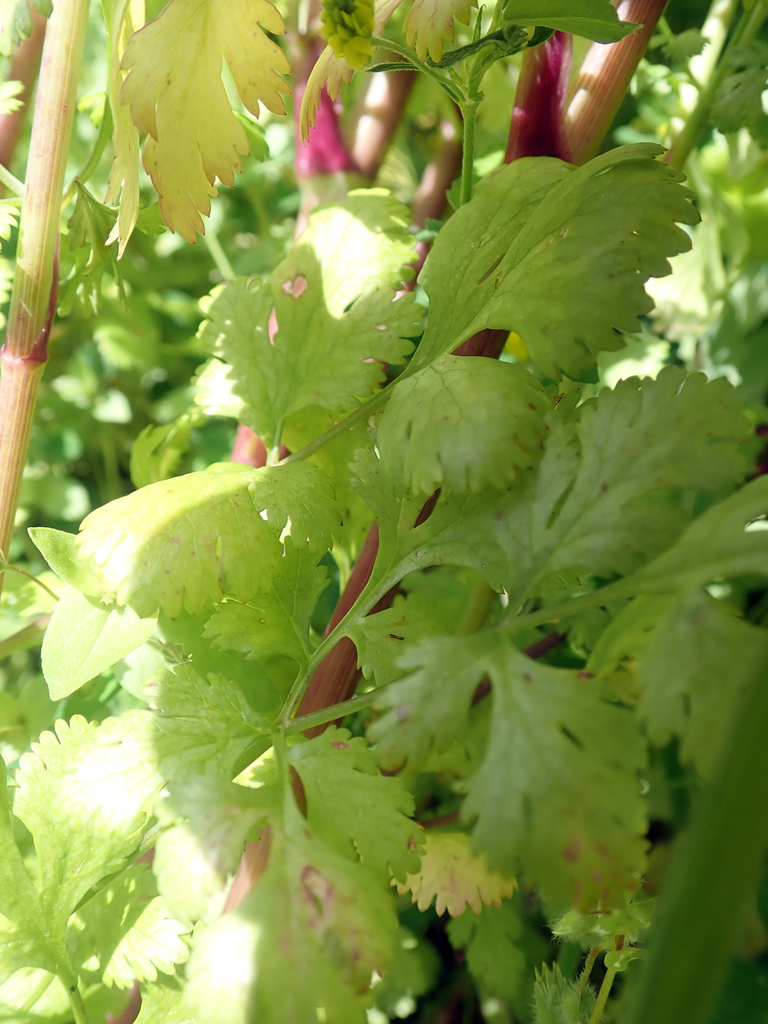
Add habitat without creating a maintenance burden through a clear sequence that fits a small rain-capture setup.
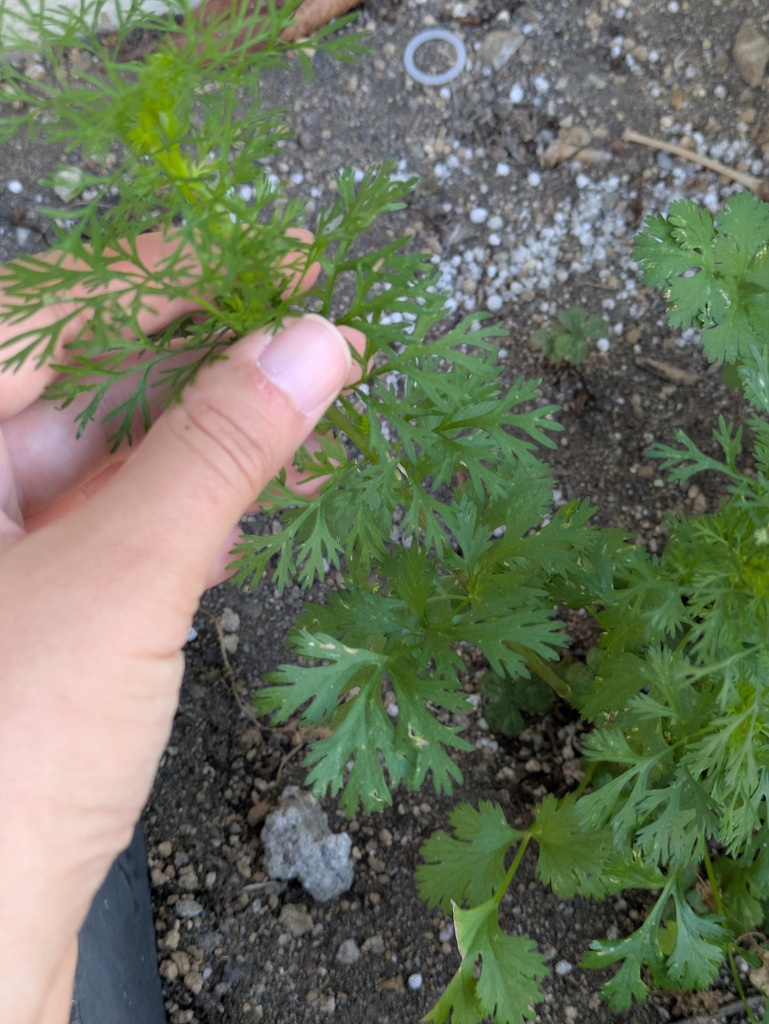
Replace a purchased input with an available material through a clear sequence that fits a mixed ornamental and edible garden.
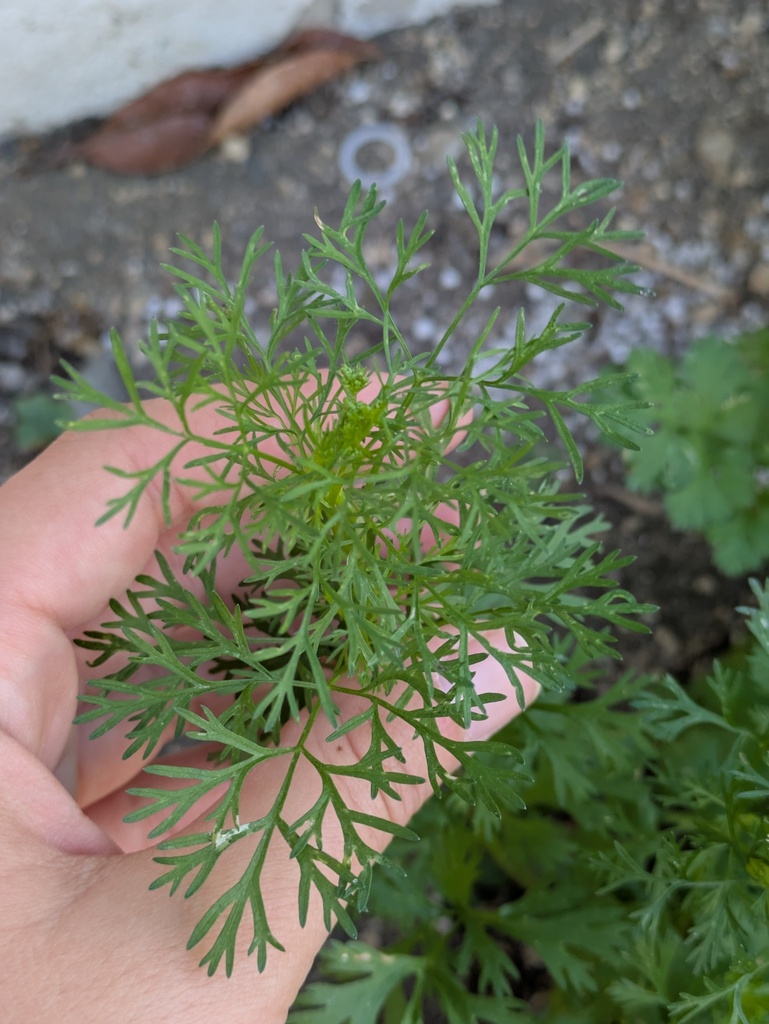
Protect soil through the most stressful season through a clear sequence that fits a neighborhood-friendly habitat corner.
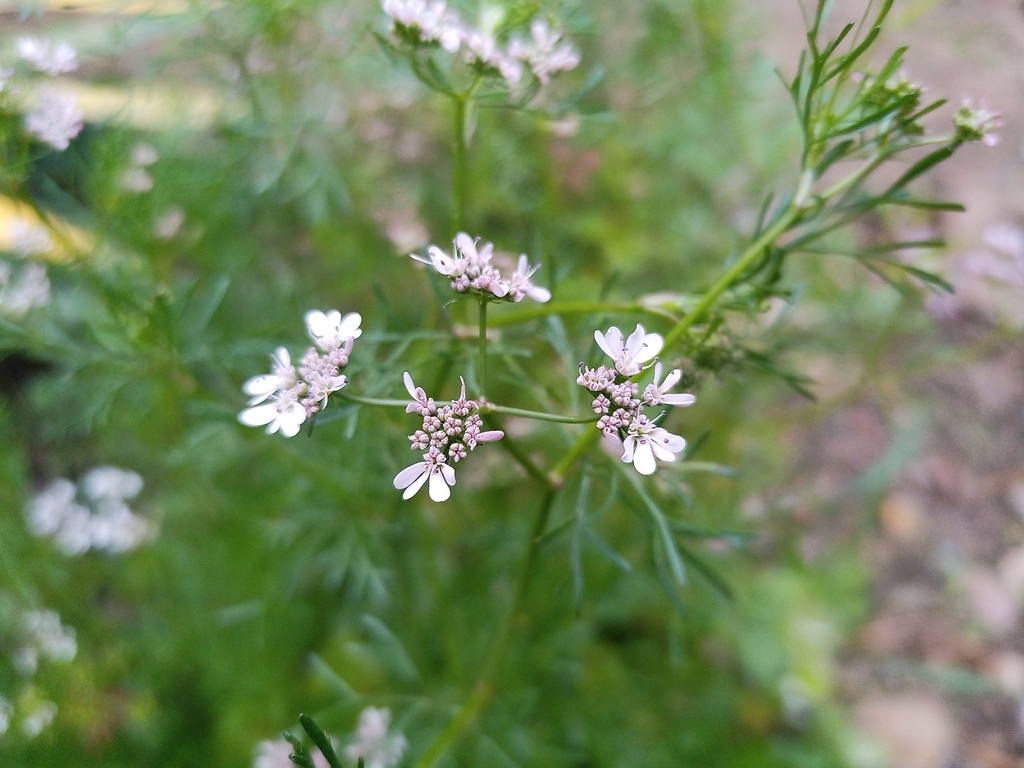
Keep organic material cycling locally through a clear sequence that fits a standard backyard routine.
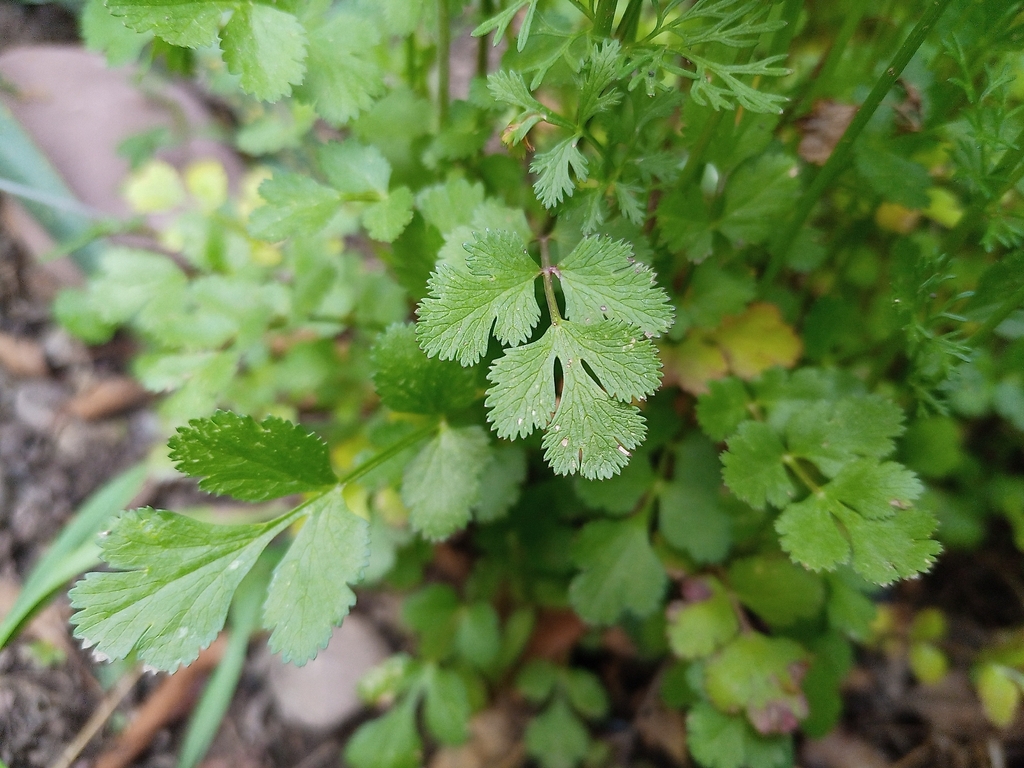
Reduce avoidable irrigation demand through a clear sequence that fits a one-bin compost system.
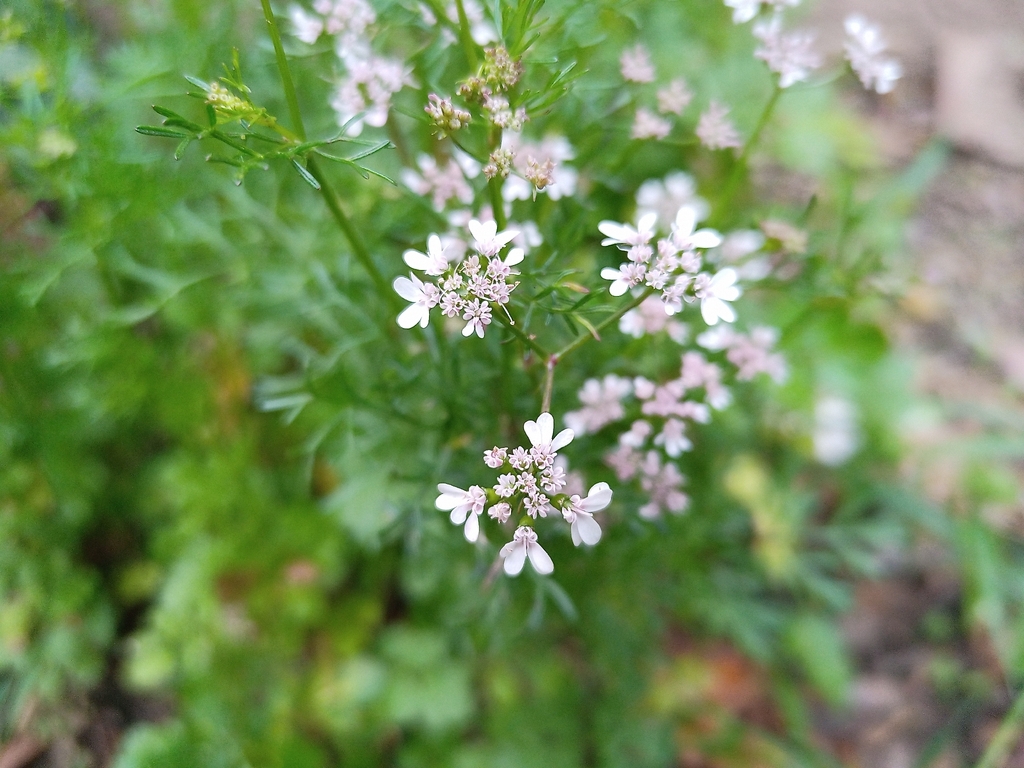
Add habitat without creating a maintenance burden through a clear sequence that fits a small rain-capture setup.
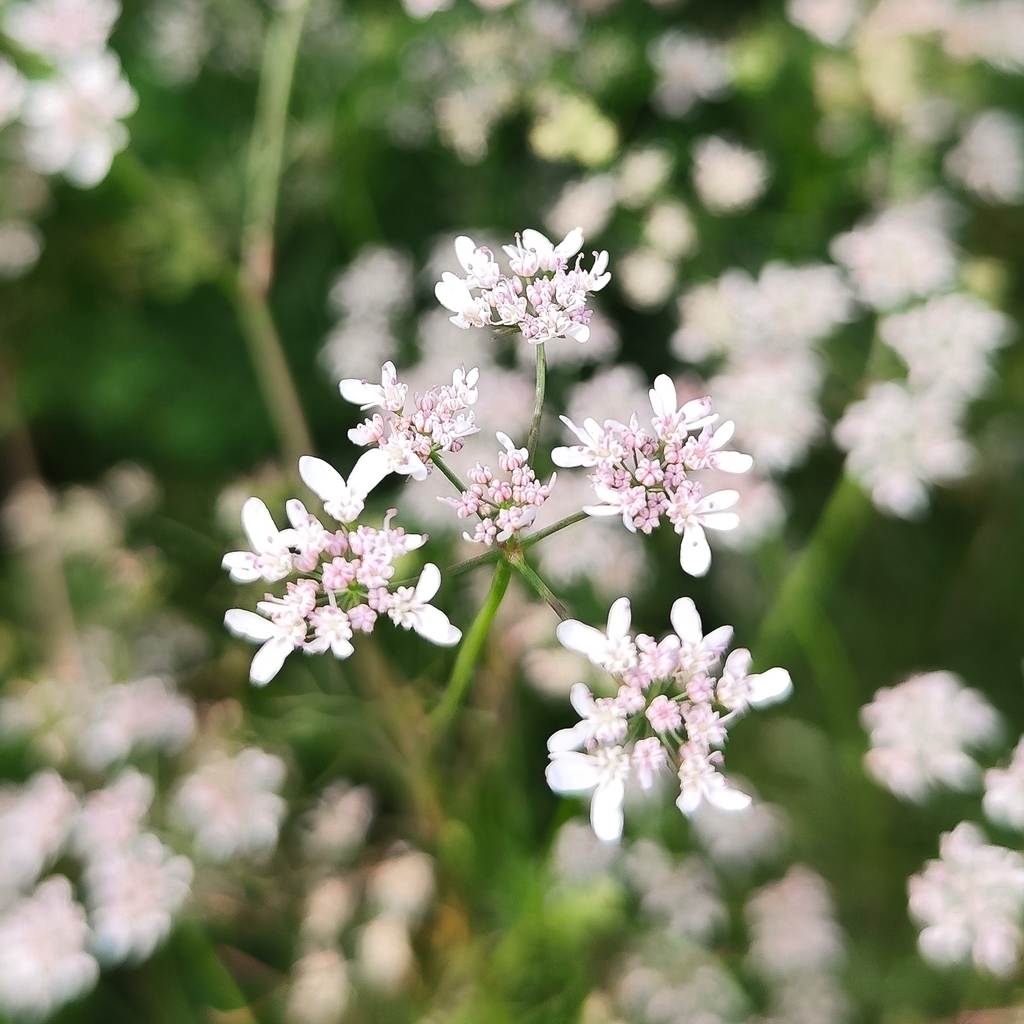
Replace a purchased input with an available material through a clear sequence that fits a mixed ornamental and edible garden.
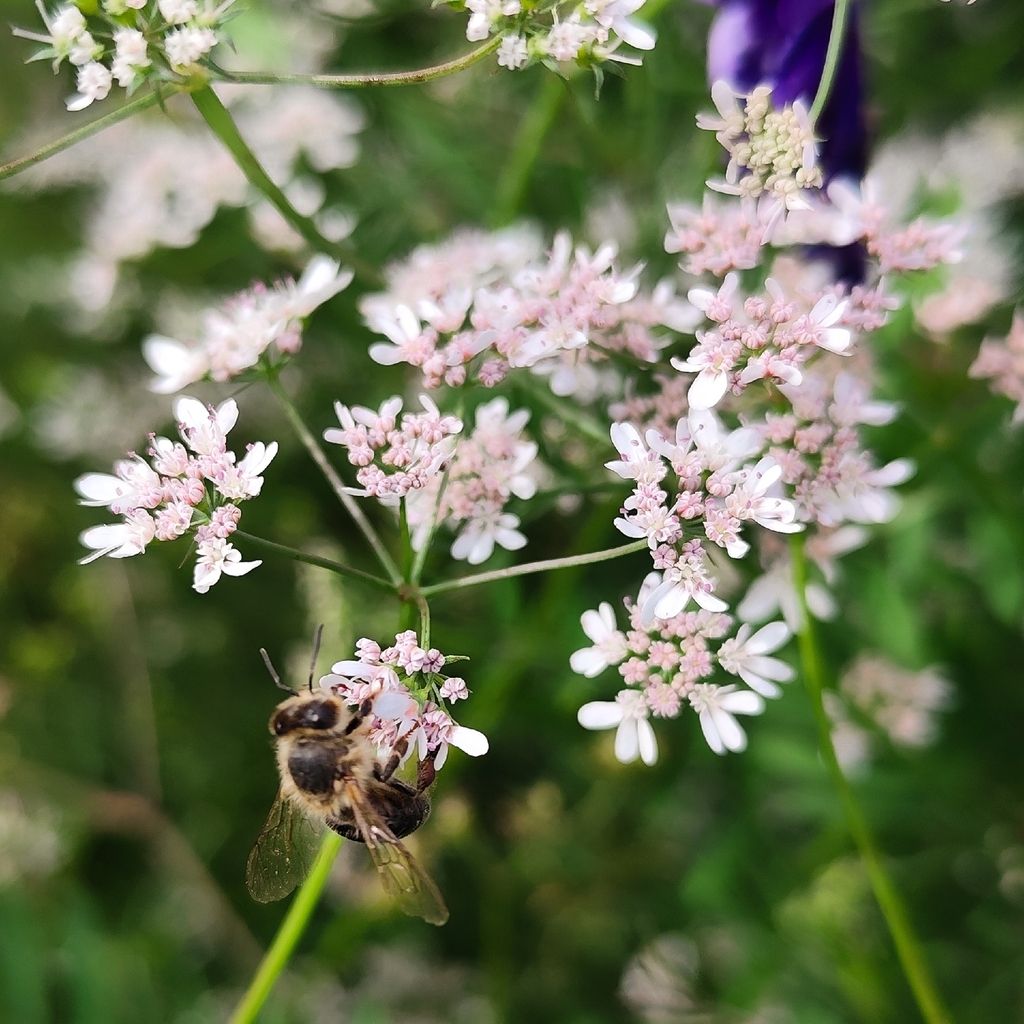
Protect soil through the most stressful season through a clear sequence that fits a neighborhood-friendly habitat corner.
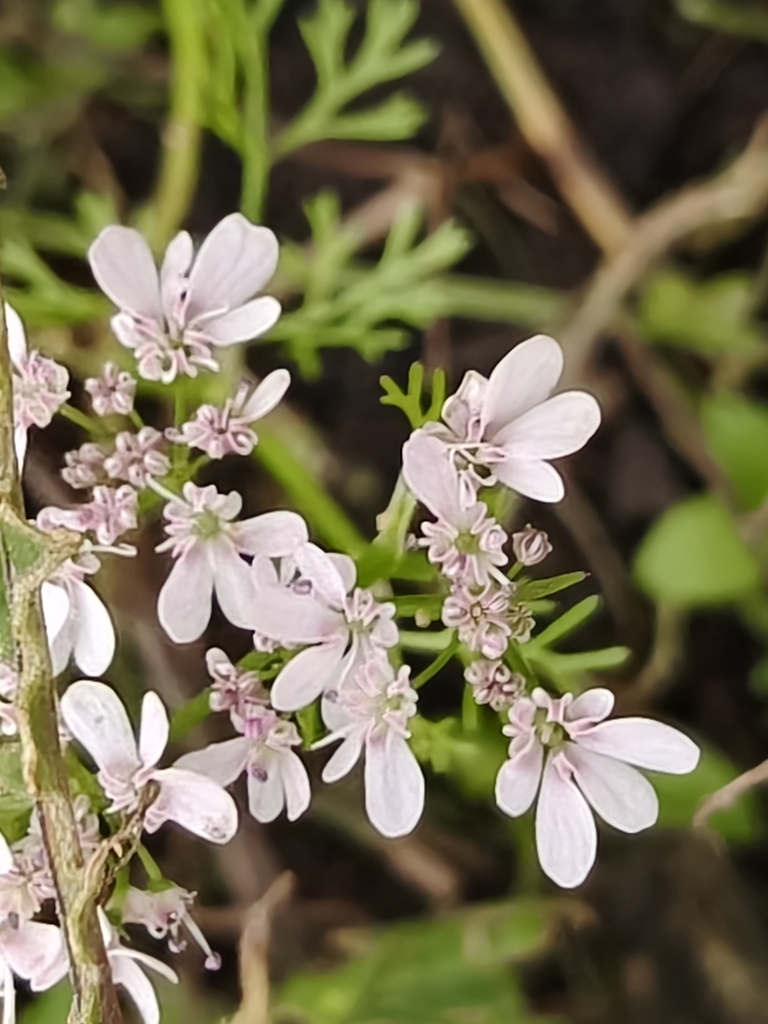
The garden changed when fallen material stopped being treated as rubbish. The story follows the practical benefit and the maintenance tradeoff..
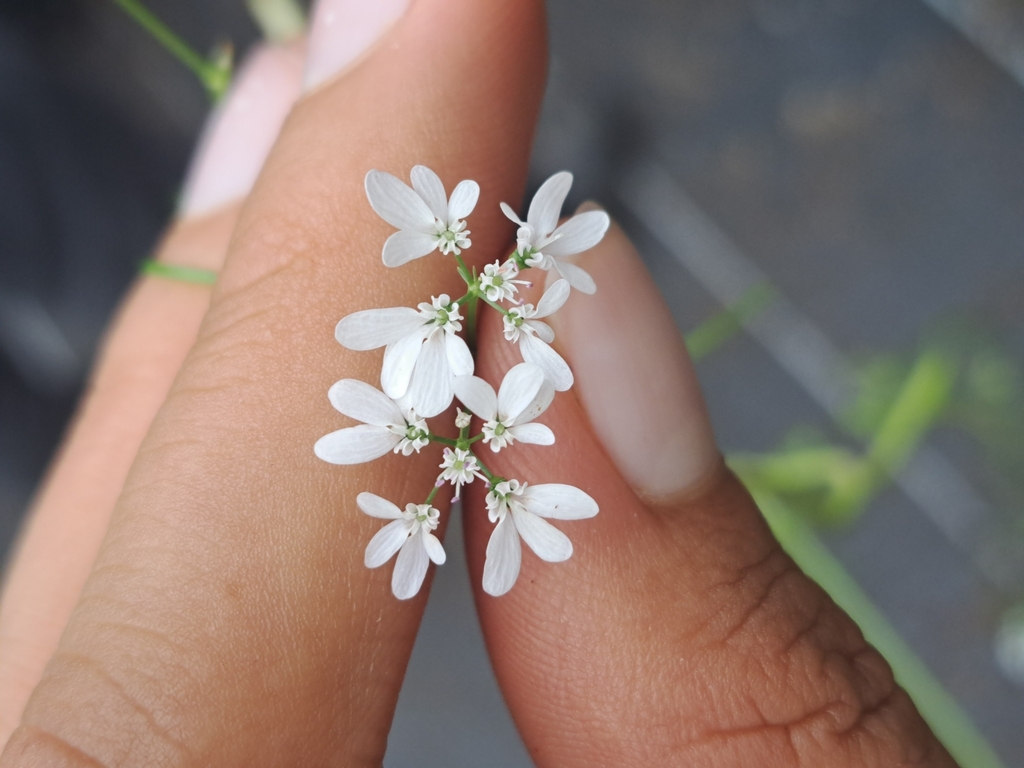
A short rain event became more useful after one small storage change. The lesson favors a durable routine over a symbolic gesture..
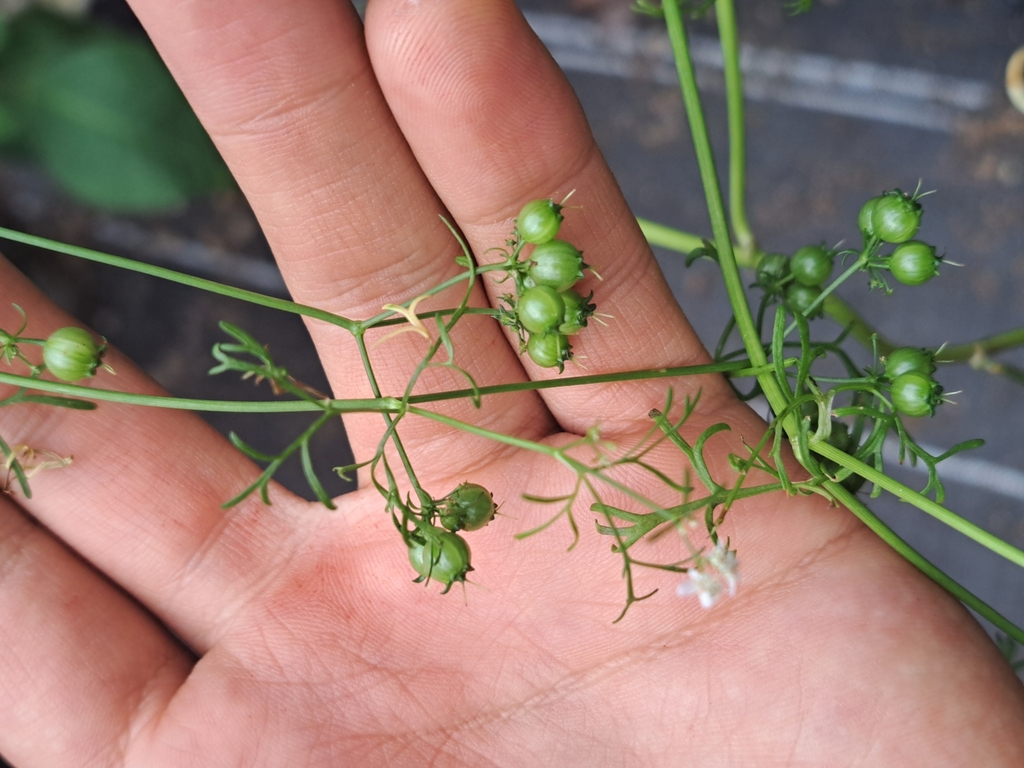
Wildlife arrived after the planting structure became more continuous. The next step is smaller because the cycle is already in place..
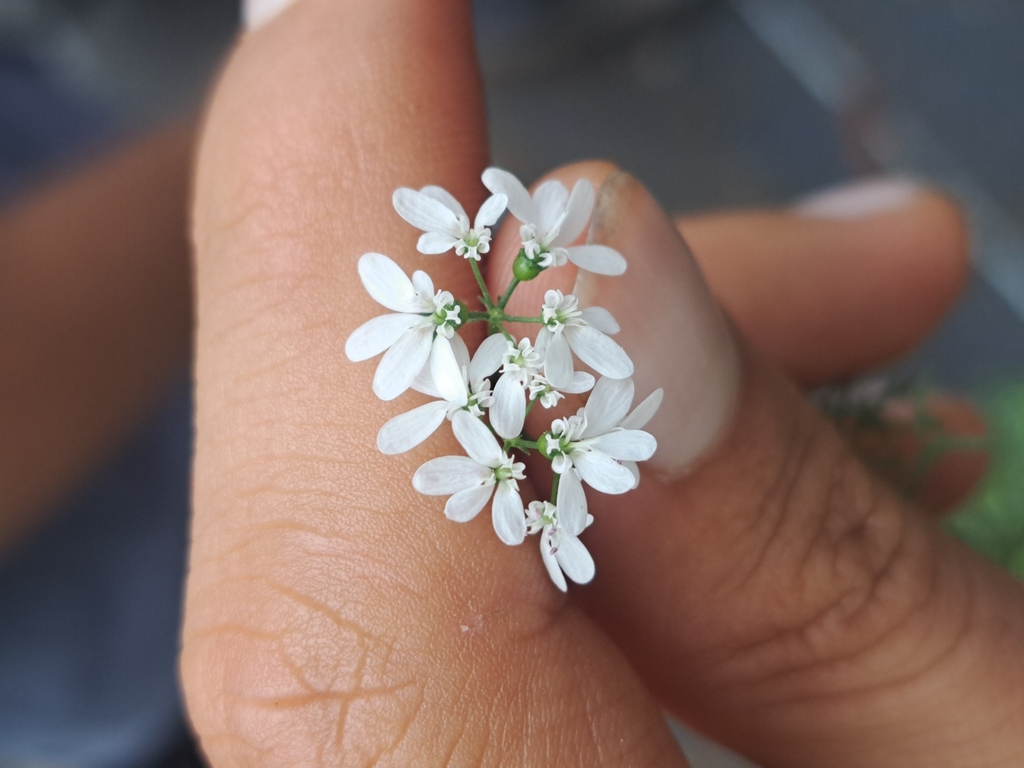
Soil recovery was visible first in how water entered the bed. The result is a system that keeps working between garden visits..
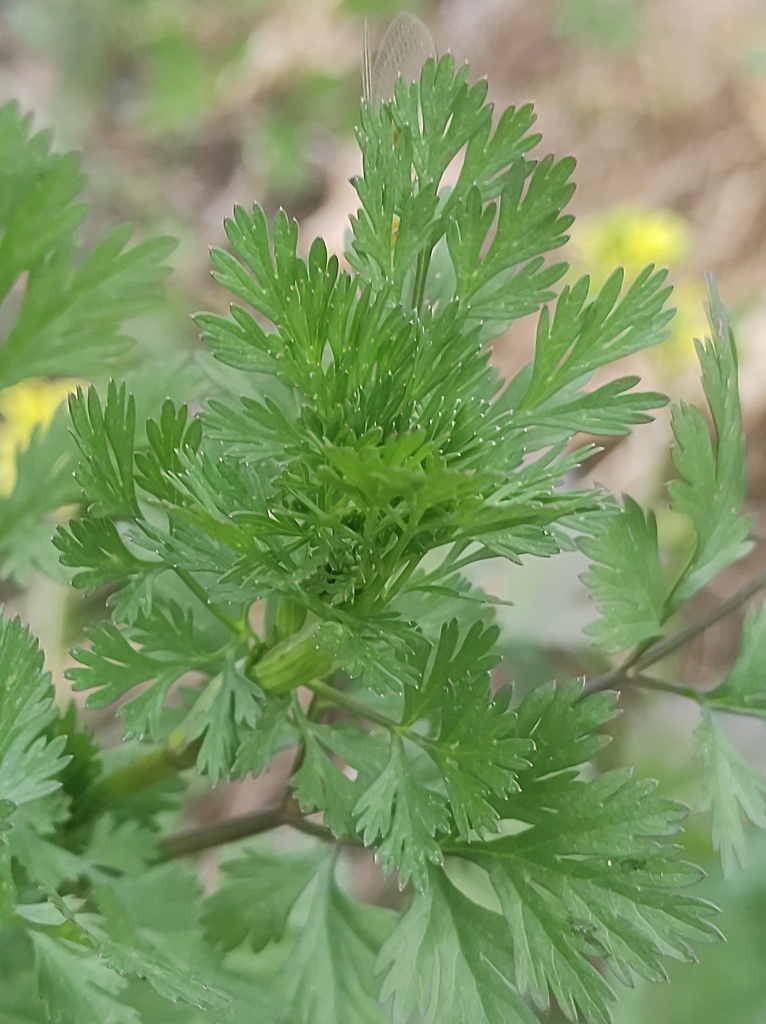
The lowest-input solution required better timing, not more neglect. The garden now holds more water, cover, or habitat than before..
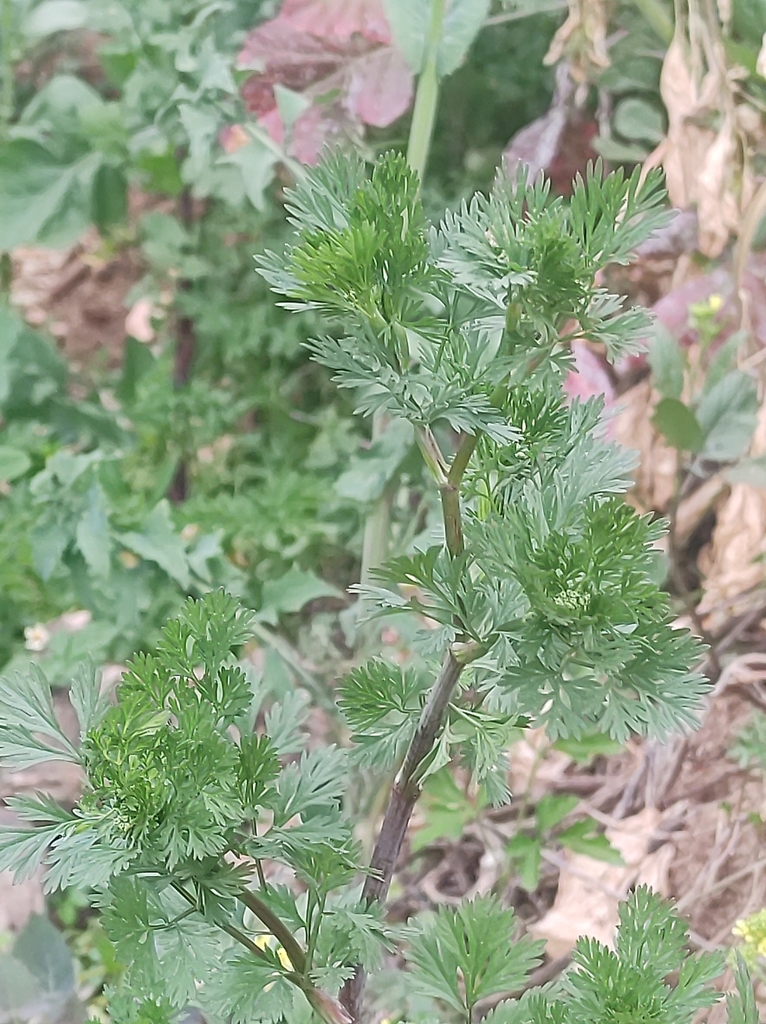
The garden changed when fallen material stopped being treated as rubbish. The story follows the practical benefit and the maintenance tradeoff..